8 Signs It’s Time to Repair Your Damaged Drywall
Drywall plays a bigger role in your home than most people realize. It protects wiring and insulation, supports paint and finishes, and gives your walls and ceilings a clean, finished look. When drywall starts to fail, the damage rarely stays cosmetic. Small issues tend to spread, especially when moisture, structural movement, or repeated wear come into play.
Many homeowners delay drywall repairs because the damage looks minor or feels easy to ignore. In reality, damaged drywall often signals a deeper problem or creates new ones if you leave it unaddressed. Knowing when to act can save money, protect your home’s value, and prevent larger repairs down the road. Below are eight of the most common and reliable signs it’s time to repair your damaged drywall , and why acting sooner almost always pays off.
Cracks That Keep Growing or Reappearing
Hairline cracks happen in many homes, especially as buildings settle or experience seasonal temperature changes. Trouble starts when those cracks widen, lengthen, or come back shortly after you patch them.
Recurring cracks usually point to movement behind the wall. That movement may come from foundation shifts, framing stress, or moisture changes. When you repeatedly fill the crack without addressing the underlying cause, the drywall continues to fail.
Pay attention to cracks that form around doors, windows, and ceilings. These areas experience more stress and often reveal early signs of structural issues. Repairing drywall at the right time allows you to stabilize the surface before the damage spreads into surrounding sections.
Water Stains, Soft Spots, or Bubbling Paint
Water damage ranks among the most serious threats to drywall. Even a small leak can weaken drywall quickly and create conditions for mold growth. You might notice yellow or brown stains, peeling paint, or sections that feel soft when you press on them.
Drywall absorbs moisture easily. Once water penetrates the material, it loses strength and shape. The damage rarely stays isolated, especially if the moisture source continues. Roof leaks, plumbing issues, and condensation from poor ventilation often cause these problems.
If drywall shows signs of water damage, simple cosmetic fixes won’t solve the issue. You need to remove the damaged material, correct the moisture source, and install new drywall before finishing the surface. Quick action protects your walls and your indoor air quality.
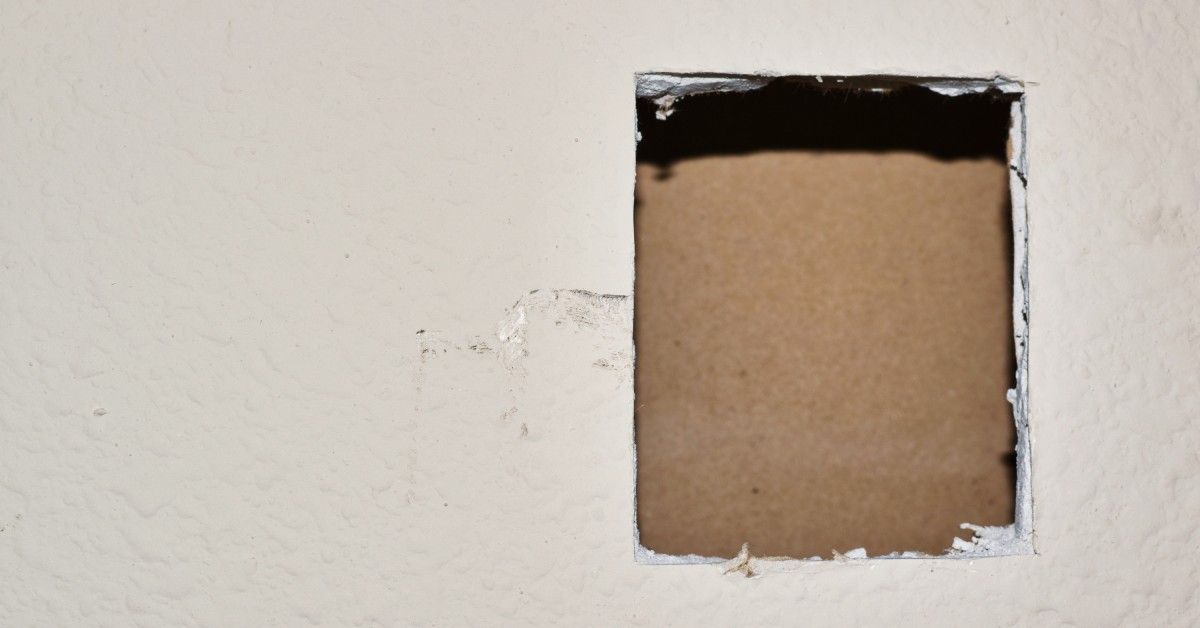
Visible Holes, Dents, and Impact Damage
Daily life takes a toll on drywall. Furniture bumps, door handles, kids at play, and accidental impacts can leave dents or holes behind. Small nail holes usually don’t cause concern, but larger damage compromises the wall’s strength and appearance.
Holes larger than a few inches often weaken the surrounding drywall. Cracks tend to form around the damaged area, especially if the wall experiences vibration or pressure. Leaving holes unrepaired also invites pests and allows drafts to pass through interior walls.
Sagging or Uneven Ceilings
Ceiling drywall faces gravity every day, so any weakness shows quickly. Sagging, bowing, or uneven ceiling sections often signal moisture damage or improper installation. You might notice visible dips, nail pops, or seams pulling apart.
Ceiling issues rarely fix themselves. Over time, the drywall can separate from the framing, increasing the risk of collapse in severe cases. Even minor sagging deserves attention, especially in bathrooms, kitchens, or rooms below attic spaces.
Mold Growth or Musty Odors Near Walls
Drywall provides an ideal surface for mold when moisture enters the picture. Mold may appear as dark spots, fuzzy patches, or discoloration along walls and ceilings. Sometimes you won’t see it right away, but you’ll notice a persistent musty smell.
Mold spreads quickly behind drywall, especially when leaks or humidity remain unresolved. Surface cleaning alone won’t eliminate the problem if mold grows inside the wall cavity.
Drywall repair often becomes part of the mold remediation process. Removing affected sections allows you to treat the underlying area, improve ventilation, and restore a healthy living environment.
Nail Pops and Loose Drywall Panels
Nail pops show up as small circular bumps or cracks where fasteners push through the drywall surface. They often appear in newer homes or in areas where framing expands and contracts.
Loose drywall panels may shift slightly when pressed, which creates movement or noise. Over time, that movement damages joints and seams, leading to cracks and uneven surfaces.
Poor Appearance That Affects Home Value
Drywall damage also affects how your home looks and feels. Uneven walls, visible patches, and damaged corners make rooms look neglected, even when everything else looks clean and updated.
If you plan to sell your home or update interior finishes, damaged drywall stands out immediately. Buyers often interpret visible damage as a sign of larger maintenance problems.
Situations Where DIY Repairs Fall Short
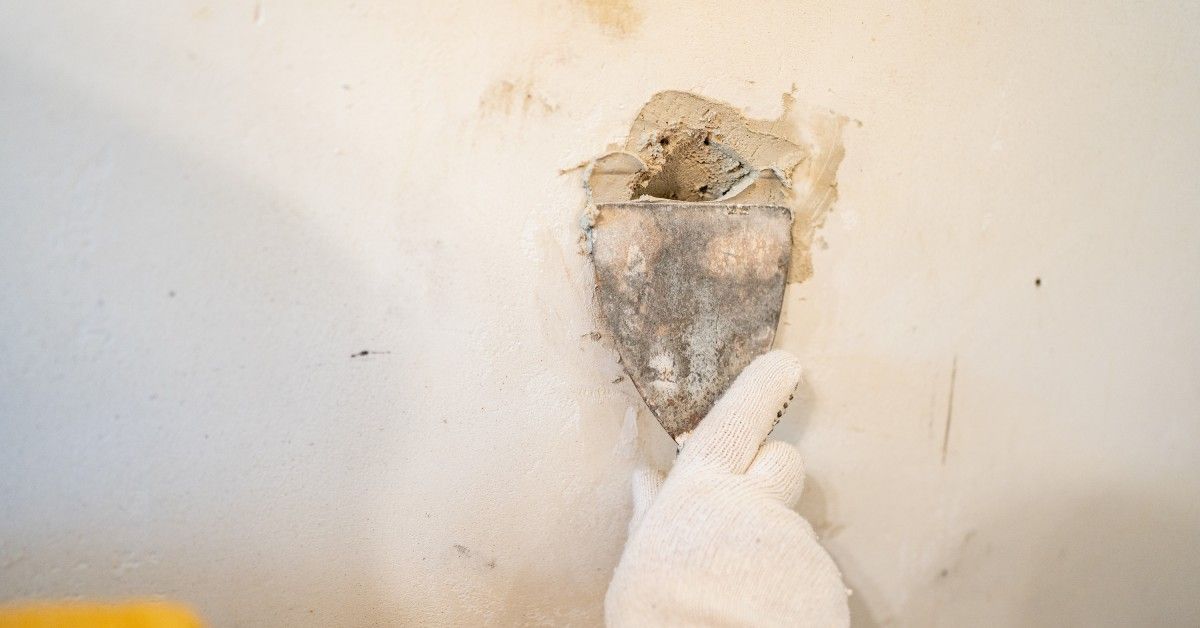
Some drywall repairs look simple but prove harder to execute well. Matching texture, achieving invisible seams, and blending paint all require experience and the right tools. Poor repairs often stand out more than the original damage.
Homeowners often struggle with:
- Matching existing wall or ceiling texture
- Preventing cracks from returning
- Achieving a smooth, paint-ready finish
- Repairing damage caused by moisture or movement
- Fixing corners, joints, and ceiling seams
When repairs don’t hold up, they create frustration and wasted effort. Professional help saves time and delivers lasting results that blend naturally with the rest of the home.
When To Call a Professional Handyman
Drywall damage often connects to other home maintenance issues. Plumbing leaks, ventilation problems, settling structures, and aging materials all play a role. A professional handyman understands how these systems interact and how to repair drywall correctly the first time.
Hiring experienced help makes sense when damage spreads, returns, or involves moisture or ceilings. Homeowners looking for reliable home maintenance services in Everett, WA often turn to the professionals at RG Handyman who can diagnose problems accurately and complete repairs efficiently.
Don’t Ignore the Warning Signs
Drywall damage rarely stays small. Cracks grow, moisture spreads, and cosmetic flaws turn into structural concerns when ignored. Knowing these signs helps homeowners act early and avoid costly repairs later.
If your walls or ceilings show recurring cracks, water damage, sagging, or visible wear, it’s time to take action. Quality drywall repair restores strength, improves appearance, and protects your home’s value. When you start seeing any of these eight signs , it’s time to call RG Handyman to get your damaged drywall repaired.